
Sandra Mangas
Proceso de selección de currículums
Blog · Sandra Mangas

Proceso de selección de currículums

25 MAR 2020
Ojalá pudiera contratarlo

La criba de currículums sigue siendo la parte que más tiempo consume del reclutamiento: se estima que revisar CV puede llevar hasta 23 horas por una sola contratación. La selección de currículums es el proceso de determinar si un candidato está cualificado para un puesto a partir de su formación, su experiencia y el resto de información que recoge su CV. Es, por tanto, una forma de emparejar los requisitos de un puesto con la cualificación de un candidato. El objetivo de cribar currículums es decidir si hacer avanzar a un candidato —normalmente a una entrevista— o descartarlo. Las entrevistas presenciales pueden ser largas y costosas de realizar, así que conviene empezar reduciendo la lista de candidatos. En este artículo te damos algunos consejos para una criba de CV exitosa.

1. Planifica tu proceso de selección de CV

Decide un plan de acción y cíñete a él. ¿Cuántos CV has recibido? ¿A cuántas personas quieres entrevistar? ¿A cuántas vas a contratar? ¿De cuánto tiempo dispones?

2. MIRA el currículum

Me gusta empezar MIRANDO el CV: su formato, estructura, maquetación, gramática y extensión. Son los pequeños detalles los que dicen mucho, y el CV es muy revelador. Un candidato ideal no entrega un currículum descuidado. No quieres a alguien que no presta atención al detalle, que no se esfuerza. Si la persona no ha dedicado tiempo y esmero a preparar su CV, ¿cómo será el resto de su trabajo?

Las faltas de ortografía y gramática, una mala alineación y un formato pobre son señales de candidatos apresurados y con poca atención al detalle, lo que cuestiona la calidad de su trabajo.

Unas malas descripciones de las tareas y la información irrelevante muestran falta de reflexión y de capacidad para centrarse en lo importante, lo que cuestiona su toma de decisiones y su pensamiento estratégico. Los CV largos en general delan a un comunicador prolijo, lo que cuestiona sus habilidades comunicativas y su eficacia en reuniones. Un currículum descuidado te dice que el candidato no es trabajador y no se esfuerza ni en preparar un CV. Un CV mal formateado te dice que la informática no es su fuerte. Así que recuerda mirar bien el CV, porque aporta mucha información no verbal.
Competencia informática

3. Elimina los CV que no cumplen tus requisitos mínimos

Empieza usando como guía los requisitos del puesto que deberías haber definido previamente, para determinar los criterios de tu revisión. Por ejemplo: la experiencia o formación mínima que aceptarás, o la capacidad de hablar otros idiomas.
Experto en diseño gráfico

4. Lee entre líneas

Por último, recuerda que al revisar el CV de un candidato es importante fijarse no solo en la información que aporta, sino también en lo que puede implicar. Por ejemplo, el tamaño de las empresas en las que ha trabajado antes. Si alguien ha trabajado exclusivamente en empresas de 10 a 50 personas, quizá esté acostumbrado a un enfoque más práctico y a desempeñar muchos roles distintos. Esto difiere de quien ha trabajado sobre todo en multinacionales de 10.000 a 20.000 empleados, donde hay más foco en la delegación, la estrategia y la comunicación. O las promociones internas visibles en el CV, que probablemente impliquen que el candidato es bueno y un elemento clave a tener en cuenta.

¿Listo para cribar algunos currículums? Encontrarás tu nueva tarea en nuestra aula online.

Blog · Sandra Mangas

Resume selection process

MAR 25, 2020
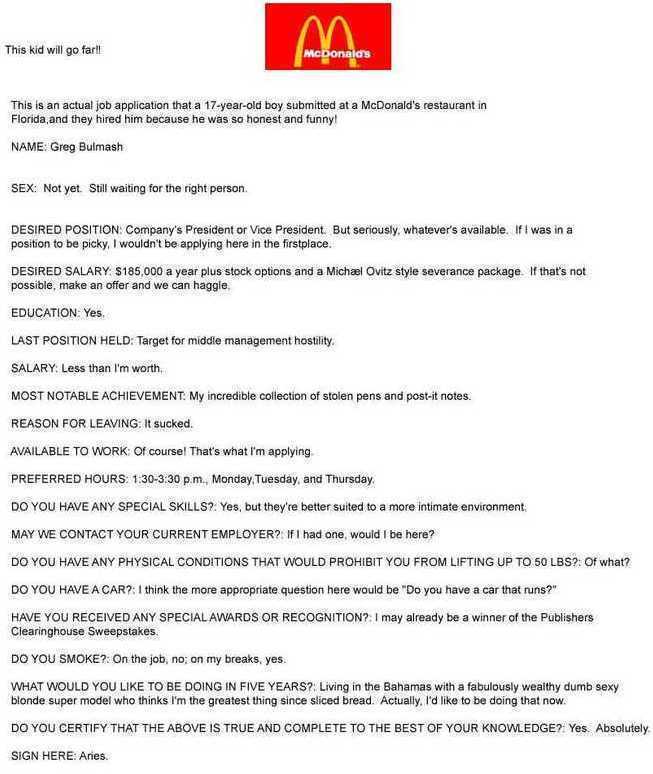
I would love to hire him

Resume screening is still the most time-consuming part of recruiting: screening resumes is estimated to take up to 23 hours for just one hire. Resume selection is the process of determining whether a candidate is qualified for a role based on their education, experience and other information captured on their CV. So it's a form of pattern matching between a job's requirements and the qualifications of a candidate. The goal of screening resumes is to decide whether to move a candidate forward — usually onto an interview — or to reject them. In-person interviews can be time-consuming and expensive to conduct, so start by narrowing your candidate list. In this article we will give you a few tips for a successful resume selection process.

1. Plan your CV selection process

Decide on a course of action, and stick to it. How many CVs have you received? How many people do you want to interview? How many people are you going to hire? How much time do you have?

2. LOOK at the CV

I like to start by LOOKING at the CV — in terms of format, structure, layout, grammar and length. It's the little things in life that can tell you a lot, and the CV is very revealing. An ideal candidate does not produce a sloppy resumé. You do not want someone who does not pay attention to detail, who does not make the effort. If the person failed to spend time and diligence on preparing their CV, what will the rest of their work be like?

Spelling and grammar mistakes, poor alignment and formatting are all signs of hurried candidates lacking attention to detail, which questions their quality of work.

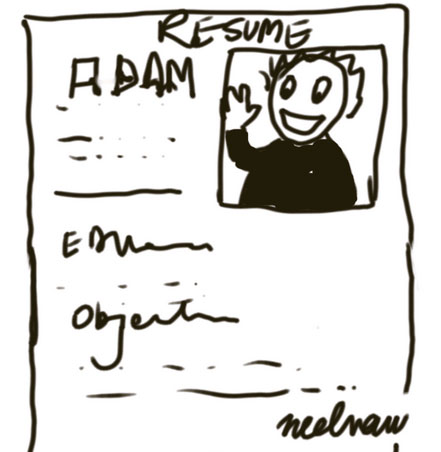
Bad descriptions of tasks and irrelevant information show a lack of thought and ability to focus on what's important, which questions their decision-making abilities and strategic thinking. Long CVs in general show signs of a long-winded communicator, which questions their communication skills and effectiveness in meetings. Sloppy resumes tell you the candidate is not a hard worker and does not make the effort even to prepare a CV. Badly formatted resumés tell you that computer skills are not the candidate's forte. So remember to have a good look at the CV, because it gives a lot of non-verbal information.

Computer literacy
Computer literacy

3. Eliminate resumes that don't meet your minimum requirements

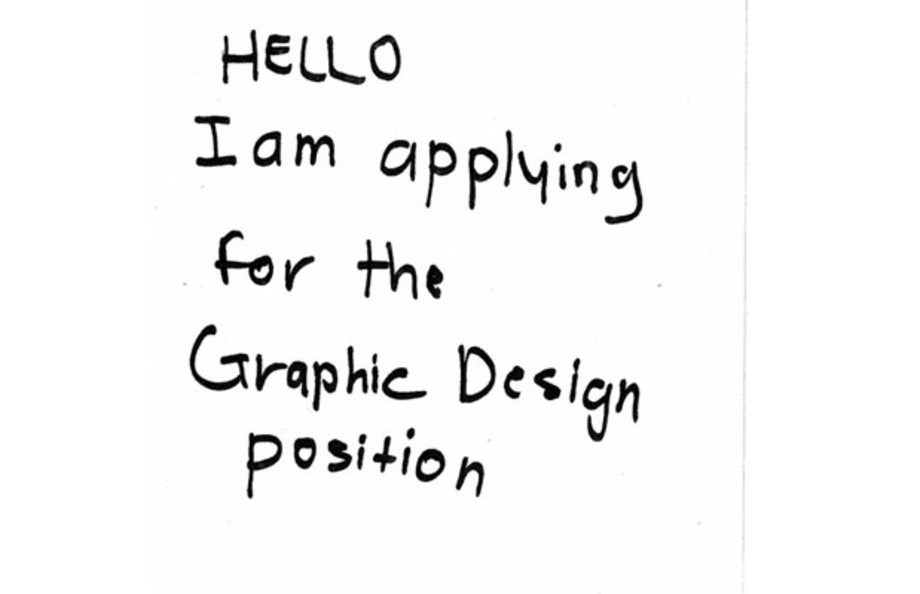
Start by using the job requirements you should have previously defined as your guide, to determine the criteria for your review. For example: minimum experience or education you'll accept, or the ability to speak other languages.

Graphic Design Expert

4. Read between the lines

Finally, remember that when reviewing a candidate's CV, it's important to look not only at the information provided, but also at what it might imply. For example, the size of the companies the candidates have worked in before. If someone has worked exclusively in companies that employ 10–50 people, they might be used to a more hands-on approach and to wearing many different hats. This can differ from someone who has mostly worked at multinationals with 10,000–20,000 employees, where there is more of a focus on delegation, strategy and communication. Or internal promotions visible on the CV, which probably imply that a candidate is going to be good and a vital element to look out for.

Ready to screen some resumes? Check your new task in our online classroom.

← Volver al blog← Back to the blog